Acesso aberto Acesso aberto  Acesso é fechado Acesso está concedido  Acesso é fechado Somente assinantes

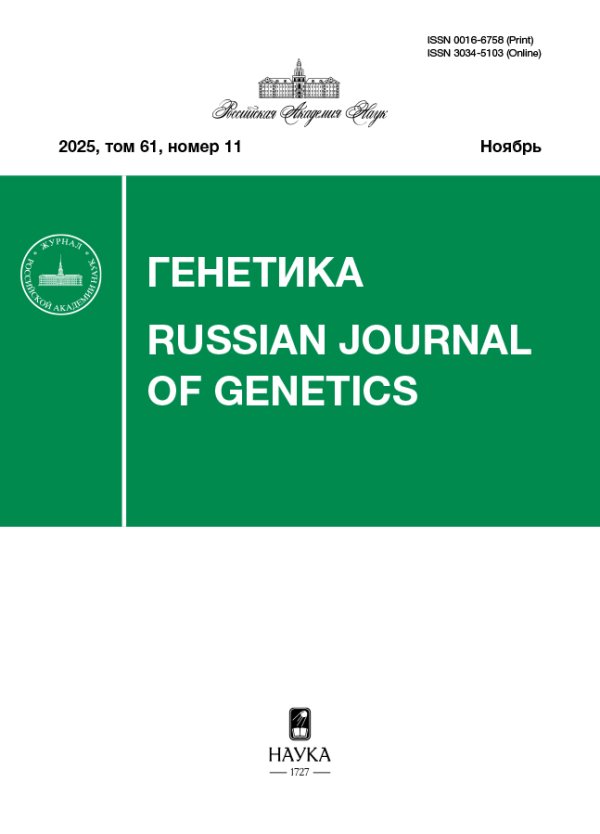
Volume 61, Nº 11 (2025)

Capa

Edição completa

Acesso aberto Acesso aberto
Acesso é fechado Acesso está concedido
Acesso é fechado Somente assinantes

Articles

GENETIKA – MOST MEZhDU NAUKAMI

Russian Journal of Genetics. 2025;61(11):5
pages 5 views

ОБЩИЕ ВОПРОСЫ И ТЕХНОЛОГИИ

The Development of Biological Education in the Russian Federation. The Main Provisions of the New Concept

Kirpichnikov M.

Resumo

Biological education is necessary to achieve the national development goals of the country, to create an innovative economy, ensure food security, import substitution, and subsequently technological independence and leadership in the pharmaceutical industry and the agricultural sector, to obtain renewable sources of raw materials and energy, address issues related to climate change, and achieve a high quality of life. Russia has considerable experience in biological education and science, but at the moment there are problems such as the isolation of biological education from modern science and practice, low motivation for obtaining biological education, lack of qualified personnel, and others. To solve these problems, a Concept for the development of biological education in the Russian Federation is proposed. Its goals are to improve the system of biological education in accordance with the updated national development goals of the Russian Federation; training qualified personnel; education and biological literacy of society; increasing the attractiveness of biology for young people in choosing a professional career. The concept assumes a continuous process of biological education — work with preschoolers, school, university, additional education. It is emphasized that high-quality, relevant biological education is necessary for every citizen of the country for his successful life in modern society.

Russian Journal of Genetics. 2025;61(11):6–12
pages 6–12 views

Development of Genetic Research at the National Academy of Sciences of Belarus

Kilchevsky A.

Resumo

The article demonstrates the achievements of Belarusian science in the field of genetic and biotechnology research. Over the past decades, momentous fundamental and applied results that significantly contribute to the establishment of mechanisms for the functioning of biological systems at molecular, cellular, organism and ecosystem levels and build a foundation for innovations in various sectors of the national economy have been obtained.
Russian Journal of Genetics. 2025;61(11):13-23
pages 13-23 views

Historical Genetics

Rogaev E.

Resumo

New developments in the field of genomic technologies has engendered novel opportunities for the genetic researches of historical and archaeological sites, thus giving rise to a new field of genetic science, which we have previously proposed to designate as historical genetics. Historical genetics is the scientific study of the history of humankind and ancient objects based on DNA analysis. Ancient DNA preserved in archaeological, museum and archival samples is a unique source of information that allows the integration of genetic data with archaeological and historical information, as well as historical identifications that were previously unavailable for research. The purpose of this article is twofold: firstly, to provide an overview of historical genetics using the example of applying ancient DNA analysis methodologies in our own research; and secondly, to consider the main promising areas of research in this field of science. These include a large-scale scientific project to study the genetic history of ancient populations within the framework of an interdisciplinary scientific consortium of leading Russian scientific institutions.

Russian Journal of Genetics. 2025;61(11):24-34
pages 24-34 views

Human Population Genomics, Medical Genetics and Evolutionary Medicine

Stepanov V.

Resumo

The article discusses the relationship between modern human population genetics, medical genetics, personalized and evolutionary medicine. It is shown that population genomics data are one of the foundations for the development and implementation of personalized approaches in medicine. The importance of evolutionary medicine as a developing area of modern biomedicine aimed at studying human diseases and health in an evolutionary context is demonstrated.
Russian Journal of Genetics. 2025;61(11):35-39
pages 35-39 views

Genetic Technologies and Methods of Combinatorial Chemistry and Biology in the Study of Biological Processes

Gabibov A., Knorre V., Solov’ev Y.

Resumo

This article provides a comprehensive review of significant advancements in the practical application of large language model (LLM) algorithms to contemporary problems in structural bioinformatics. The discussion focuses on several demonstrated successes of LLM implementations, including their use in predicting antigen surface epitopes, assessing the antigen-binding capabilities of specific CDRH3 fragments, and forecasting antibody cross-reactivity patterns. Particular attention is given to concrete examples where LLMs have been successfully employed for identifying hemagglutinin-binding antibodies against influenza virus, predicting the effects of point mutations, and improving the accuracy of protein sequence alignments. The analysis further examines critical limitations inherent in current LLM approaches, with specific emphasis on challenges related to model weight interpretability, constraints imposed by training dataset characteristics, and the substantial computational resources required for effective model training.
Russian Journal of Genetics. 2025;61(11):40–45
pages 40–45 views

The Role of Spatial Organization of the Genome in the Regulation of Transcription

Razin S.

Resumo

The article considers the role of spatial organization of the genome in establishing communication between enhancers and promoters. Particular attention is paid to the genome-wide analysis of spatial contacts between enhancers and promoters and the identification of proteins involved in maintaining these contacts. The role of extrusion of chromatin loops by cohesin complexes in the movement of enhancers to target promoters is considered separately. The final part of the article analyzes problems that need to be solved. In particular, the question is considered of how close to the promoter in the physical space of the cell nucleus the enhancer should be to establish communication between these regulatory elements.
Russian Journal of Genetics. 2025;61(11):46–56
pages 46–56 views

Plants, RNA, and New Genetic Technologies

Kochetov A.

Resumo

A brief overview of the development of RNA technologies in the field of biological control and their application in agricultural practice, data on RNA regulators in ecosystems, and prospects for the development of genetic tools based on the use of RNA is given.
Russian Journal of Genetics. 2025;61(11):57-70
pages 57-70 views

The Development of Genetic Toxicology within the Context of M. E. Lobashev's Phisiological Hypothesis of the Mutation Process

Stepchenkova E., Zhuk A., Shumega A., Devyatkin D., Andreychuk Y., Shipunova A., Kravtsova E., Zotova I., Tarakhovskaya E., Inge-Vechtomov S.

Resumo

Genetic toxicology is a scientific and practical discipline that emerged from fundamental research of the mechanisms maintaining the stability of genetic material. Its primary objectives the early detection of potentially harmful genotoxic agents threatening human health and the prevention of their adverse effects. Despite a certain conservatism cigarette toxicology, caused by the need of strictly adhering to validated and standardized protocols for assessing genotoxic risks, this field is constantly evolving. Such development would not be possible without deep knowledge of physiological processes. The foundation for understanding the physiological aspects of the mutation process was laid by Mikhail E. Lobashev, whose works set the direction of scientific research for many years. The practical result of this research was the development of highly sensitive tests for genetic toxicology and reduction of risks associated with hereditary, oncological and other diseases.
Russian Journal of Genetics. 2025;61(11):71–84
pages 71–84 views

Synthetic Biology. Morality and Reason

Matyushkina D., Gorbunov K., Fisunov G., Govorun V.

Resumo

The review is devoted to advances in the creation of an artificial cell using synthetic biology methods. All achievements in this area are directly related not only to the possibility of answering the question of how life was created on this planet, but also impose great risks on the creation of objects that can be directed to the detriment of humanity or individual groups of people. Since modern technologies make it possible to synthesize the genomes of many organisms (bacteria and viruses) in vitro without complex equipment, only the moral and ethical qualities of the researcher, his foresight and deep study of the consequences of his actions can ensure the correct development of synthetic biology as a new and very promising science, without fear of possible negative consequences.
Russian Journal of Genetics. 2025;61(11):85–93
pages 85–93 views

ГЕНЕТИКА ЧЕЛОВЕКА

Genetics of the Population of the Regions of the Union State of Russia and the Republic of Belarus: DNA-Identification of an Unknown Person's Ancestry to a Certain Ethnicity and Region of Origin by Its Biological Trace

Stepanov V., Kharkov V., Orekhov V., Kolesnikov N., Vagaitseva K., Skalin M., Kotova S., Gracheva A., Borinskaya S., Kilchevsky A., Yankovsky N.

Resumo

The main results of the Scientific and Technical Program of the Union State "DNA-identification" and implementation of reagent kits and technologies developed under the Program to establish the ethnogeographical and population origin of an unknown individual based on his DNA are presented. The developed reagent kits are designed for DNA-identification and are adapted to existing national reagents and their instrumentation used in Union State forensic laboratories.
Russian Journal of Genetics. 2025;61(11):94–99
pages 94–99 views

Genetic Demography of the Population of Megalopolises in the Union State of Russia and Republic of Belarus

Gracheva A., Udina I., Pobedonostseva E., Kotova S., Tsybovsky I., Kilchevsky A., Yankovsky N., Kurbatova O.

Resumo

Review of the results of the study of genetic-demographic processes in the population of the three biggest megalopolises of Russia: Moscow, Saint Petersburg, Novosibirsk, and the capital of Republic of Belarus – Minsk is presented. By the survey and census data of the population of megalopolises, the main genetic-demographic parameters are calculated. Data on migration of population and parameters of marriage structure are provided. The analysis results of uneven settlement of ethnic groups and estimates of ethnic diversity, and, also, selected maps reflecting ethnic topography of the population of megalopolises are presented. In the male population of the studied megalopolises, peculiarities of distribution of haplogroups of Y-chromosome in connection of migration are revealed. In the population of megalopolises, necessity of developing genetic data bases and, also, reference data bases for the goals of medical genetics and criminalistics taking in consideration complexity and dynamism of population structure under action of genetic-demographic processes is justified.
Russian Journal of Genetics. 2025;61(11):100-106
pages 100-106 views

Genetics of Aging and Lifespan: Molecular Mechanisms and Intervention Prospects

Moskalev A.

Resumo

The review examines modern advances in the genetics of aging and lifespan. The key molecular mechanisms regulating aging processes at the genetic level are analyzed, including signaling pathways and longevity genes identified in studies on model organisms and through genome analysis of long-lived species. Special attention is given to the insulin/IGF-1 signaling pathway, the role of the FOXO transcription factor, DNA repair systems, epigenetic regulation, and modulation of mTOR and AMPK kinase activity. Results of experimental studies on increasing the lifespan of model organisms through genetic manipulations and combined approaches are presented. Promising directions for interventions in aging processes based on the current understanding of genetic and molecular mechanisms are discussed, as well as the possibilities of developing comprehensive strategies to slow aging and prevent age-related diseases, taking into account individual genetic characteristics.
Russian Journal of Genetics. 2025;61(11):107-112
pages 107-112 views

Genodiagnostics as a Basis for Personalized Therapy Selection for Monogenic Disorders

Polyakov A., Shchagina O.

Resumo

The cause of hereditary diseases is a pathogenic changes in the genetic material. This changes are necessary and sufficient to cause the monogenic disease. Determining specific change has caused the disease in an individual patient is the basis for modern medical genetics and genetic counseling. This allows us to determine the best course of treatment, the rise of recurrence in the family, and to plan preconception prevention and prenatal diagnosis. It also basis design of pathogenetic/etiotropic therapy. Geneticists have a wide range of tools at their disposal to study nucleic acids. These include polymerase chain reaction (PCR) and its variations, as well as Multiplex Ligation-dependent Probe Amplification and various methods for sequencing nucleotide sequences: from Sanger sequencing for single gene to whole genome sequencing.

Russian Journal of Genetics. 2025;61(11):113–118
pages 113–118 views

DNA Repair in Ensuring Genome Stability and Human Health

Rechkunova N., Lavrik O.

Resumo

DNA repair mechanisms are the main strategies that ensure the preservation of genome integrity during cell life. Defects in repair systems lead to the development of oncological and neurodegenerative diseases, as well as aging. On the other hand, DNA repair activity must be inhibited to increase the effectiveness of DNA-damaging agents used in oncotherapy. A key role in maintaining the optimal status of repair systems is played by regulatory proteins, primarily poly(ADP-ribose) polymerases 1 and 2 (PARP1/2), which participate in the regulation of DNA repair, including by modifying histones during chromatin remodeling. The activity of PARP1 and PARP2, in turn, is regulated by the level of DNA damage, as well as by partner proteins, including RNA-binding proteins containing disordered domains. The most important partner of PARP1/2 is the recently discovered histone poly(ADP-ribosyl)ation (PARylation) factor HPF1, which ensures specificity of protein modification by serine residues and stimulates histone PARylation. The current strategy for developing PARP1/2 inhibitors is aimed at specific regulation of the activity of these enzymes by modulating interactions with partner proteins, which will allow the development of effective and at the same time less toxic therapy for oncological and neurodegenerative diseases.
Russian Journal of Genetics. 2025;61(11):119–127
pages 119–127 views

Genetic Approaches in Pluripotent Stem Cell Studies and Practical Applications

Kuzmin A., Sinenko S., Bakhmet E., Fotina A., Ermakova V., Tomilin A.

Resumo

The discovery of pluripotent stem cells (PSCs) had a tremendous impact in various areas of biology, while the application of genetic approaches to these cells further expanded the repertoire of both fundamental and applied tasks addressed with the help of PSCs. For example, mouse embryonic stem cells (ESCs) have served as an indispensable tool in functional genetics, which allowed to define biological role of thousands of mouse genes using gene knockout tecniques. Subsequent discovery of human ESCs opened bond perspectives in tissue replacement therapy, while the discovery of induced pluripotent stem cells (iPSCs), which eliminated several technical, immunological, and ethical issues associated with the derivation and clinical use of ESCs, has made the perspectives even closer. The manuscript overviews some of genetic approaches that, in combination with PSC technologies, can provide a new level of solution to a wide range of biomedical tasks.
Russian Journal of Genetics. 2025;61(11):128–146
pages 128–146 views

ГЕНЕТИКА ЖИВОТНЫХ

Transcribed Regulatory Elements: the Missing Link in the Applied Genomics of Animal Husbandry

Gusev O., Karunas A., Khusnutdinova E.

Resumo

Transcribed regulatory elements (enhancers, promoters) represent a critical component in applied livestock genomics. Despite advances in genomic selection technologies (GWAS, CRISPR), incomplete annotation of non-coding genome regions remains a significant limitation. This study focuses on direct transcriptional activity analysis methods (CAGE-seq) that enable precise identification of regulatory elements and their association with phenotypic traits. Key research directions are examined, including epigenetic mechanisms (FarmEpiMap project), quantum computing applications for big data analysis, and development of tailored solutions for diverse livestock populations. The importance of international initiatives (FAANG consortium) is emphasized while highlighting the need to account for regional genetic specificities.
Russian Journal of Genetics. 2025;61(11):147-151
pages 147-151 views

Search for Selection Fingerprints in the Genome of Black-and-white Cattle Breeds Based on the Analysis of Whole-genome Sequences of Modern and Museum Samples

Zinovieva N., Abdelmanova A., Fornara M., Shakhin A., Chinarov R., Nikolaev A., Boronetskaya O., Trukhachev V.

Resumo

The effect of artificial selection on the genome variability of Kholmogory and Yaroslavl cattle is assessed based on the analysis of whole-genome sequences of modern and museum specimens dated to the late 19th – early 20th centuries. The analysis of 3,403,441 polymorphic SNPs showed that most of the identified selection fingerprints in the genome of historical Kholmogory and Yaroslavl cattle overlapped with milk productivity QTL. In the modern Kholmogory cattle breed, the dominant selection pressure on loci associated with milk productivity has been preserved, while in the modern Yaroslavl breed, along with milk productivity QTL, loci associated with reproductive qualities were subject to selection.
Russian Journal of Genetics. 2025;61(11):152–165
pages 152–165 views

ГЕНЕТИКА РАСТЕНИЙ

Changes in Genomes and Karyotypes during Speciation and Progressive Evolution of Plants

Rodionov A.

Resumo

Interspecies hybridization and polyploidy play a major role in the processes of speciation and progressive evolution in plants. There are three possible ways of transforming hybrid genomes, which is somehow related to speciation in plants: 1). Introgression – the hybrid genome is stabilized by backcrossing with parental species without polyploidization – this is how such species as the Finnish spruce Picea ×fennica arose. 2). Genome polyploidization – the hybrid genome becomes stable while retaining doubled sets of chromosomes of the parent species. It can be called a “good” (eu-) polyploid. Most genomes/karyotypes of numerous polyploid polyploid plant species are in the eupolypoloid state. This is a fast and effective way of speciation, but speciation at an already mastered level of evolutionary complexity. 3). Dysploidy and secondary diploidization of the genome – intensive genomic rearrangements occur in the hybrid and polyploid genome and karyotype. A significant part of the duplicated copies is pseudogenized or deleted. The number of chromosomes in the haploid genome is radically reduced, often to a level close to the primary diploid chromosome numbers “2x”. Different individuals of a species that have embarked on the path of stochastic “fractionation” of the genome and dysploidy, retain different sets of unique and multiplied during WGD protein-coding genes, transposons, short interfering and long non-coding RNAs. In this case, intraspecific genomic and epigenetic polymorphism increases radically, that provides rich material for natural selection. Diploidization of genomes and karyotypes makes combinations of gene alleles and neogens, previously buffered in the polyploid state, available for testing by natural selection. Massive gene losses during genome fractionation can have a most unexpected effect on the phenotype, which often takes neotenous forms. Some neotenic morphotypes with diploidized and fractionated postpolyploid genomes, “hopeful monsters”, have such an original combination of gene families and morphological features that gives their carriers a chance to become the founder of a new large taxon, tribe, family, class.
Russian Journal of Genetics. 2025;61(11):166-183
pages 166-183 views

Wox Transcription Factors in the Development of Root «Irregular» Meristems

Lutova L., Lebedeva M., Dodueva I., Tikhonovich I.

Resumo

Homeodomain transcription factors (TF) play an important role in developmental control of higher eukaryotes, in particular, in the construction of the body plan. In plants, TFs of this group, especially representatives of the WOX family, are necessary for the formation and maintenance of meristems, the structures underlying postembryonic development and organogenesis. WOX TFs, together with the CLE peptides and their receptors that regulate their activity, constitute the WOX-CLAVATA system, a conservative regulatory module that ensures the functioning of various meristems. The formation, maintenance, and termination of meristems is a dynamic process that depends on many feedbacks that, in addition to the components of the WOX-CLAVATA system, involve TFs of other groups, as well as auxins and cytokinins. The review considers the dynamic principles of meristem regulation, as well as the genetic control of the formation and functioning of facultative/irregular secondary meristems and the role of homeodomain-containing TFs in this process.
Russian Journal of Genetics. 2025;61(11):184–197
pages 184–197 views

Genetic Diversity of Wheat Varieties of Krasnodar Scientific Breeding School and Their Breeding Value

Bespalova L., Ablova I., Puzyrnaya O., Mudrova A., Filobok V., Yanovskii A., Guenkova E., Samarina M., Arkhipov A., Korobkova V., Alkubesi M., Ermolaev A., Mokhov T., Chernook A., Kroupin P., Divashuk M.

Resumo

The Krasnodar wheat and triticale breeding school is one of the oldest in Russia. Over a century of National Center of Grain’s research and breeding, about 300 wheat cultivars have been developed, many of which have been widely cultivated both domestically and internationally and actively used in breeding programs. Currently, 124 of these cultivars are registered and approved for commercial use. One of the critical challenges in wheat breeding programs is the identification of optimal allelic combinations of genes controlling main agronomic traits. However, the allelic composition of recently identified genes or novel allelic variants of known genes affecting productivity and adaptability remains poorly characterized in commercially successful cultivars. The P.P. Lukyanenko National Grain Centre (NGC) plays a leading role in Russia in developing highly demanded cultivars, including novel crop – winter durum wheat. Genes involved in winter and frost resistance play a special role for the Krasnodar region. In this study, we conducted a molecular genetic analysis of a collection of bread and durum wheat cultivars developed by the Wheat and Triticale Breeding and Seed Production Department of the P.P. Lukyanenko NGC. The distribution of allelic variants was assessed for genes associated with plant height (Rht-B1, Rht-D1), regulation of the transition to flowering (Vrn-A1, Ppd-A1, Ppd-D1), frost resistance (Fr-A2), and grain size (GW2, NLP3-B1, TaGS2-A1), as well as for the presence of wheat–rye translocations (1RS.1BL, 1RS.1AL). The results of the study demonstrate the features of the allelic landscape in the most commercially successful varieties of bread and durum wheat bred by the P.P. Lukyanenko Scientific Center for Plant Breeding.
Russian Journal of Genetics. 2025;61(11):198–207
pages 198–207 views

МИКРОБИОЛОГИЯ

Genetic Technologies in the Development of Industrial Microbiology

Yanenko A.

Resumo

Modern strains of microorganisms used in industrial microbiology are the result of complex genetic manipulations. Such strains carry dozens of different mutations that alter the cell’s life strategy and ensure the overproduction of a target metabolite. Methods of induced variability (mutagenesis, genetic engineering, editing methods), and in recent years, methods of synthetic biology (de novo gene synthesis) have made the main contribution to the design of strains. At the same time, it is the methods of genomic editing (bacteriophage-specific recombination, homologous recombination and CRISP Cas systems) that meet modern biosafety requirements, and most importantly, they are the most powerful tool for creating industrial producer strains that ensure economically sound production of products with high market potential. The report examine the features of different editing systems for industrially significant types of microorganisms (corynebacteria, bacilli, enterobacteria, yeast), provide examples of the creation of strains-producers (amino acids, acrylic monomers, and carotenoids) at NRC “Kurchatov Institute” using the potential of natural diversity and genomic editing, and analyze the current state and measures for accelerated development of industrial microbiology.
Russian Journal of Genetics. 2025;61(11):208–216
pages 208–216 views

Bacterial Immune Systems: to See the Virus and Die

Gelfenbein D., Kanevskaya A., Godneeva B., Kropocheva E., Lisitskaya L., Panteleev V., Kulbachinskiy A.

Resumo

Bacterial immune systems can protect cells at different steps of viral infection, by preventing virus binding and genome injection, destroying viral nucleic acids, disrupting virus replication or assembly of viral particles. Recent studies have shown that along with systems that directly attack invader elements, there are many defense systems that induce the death of the infected cell, thus preventing the spread of viruses and plasmids in the population. The key event in the activation of various immune systems is the recognition of invader elements during infection. Two types of defense systems, CRISPR-Cas and Argonautte proteins, can directly recognize and cleave viral DNA or RNA using short complementary guide oligonucleotides. At the same time, recently discovered new groups of Argonautes can induce suicidal cell response and cause abortive infection. In this case, guided recognition of viral or plasmid targets leads to the activation of additional effector proteins that disrupt cellular metabolism, destroy the cell membrane, or cause nonspecific degradation of cellular and viral DNA. Such systems are important participants in the evolutionary race between viruses and bacteria and can serve as tools for genetic engineering and biotechnology.
Russian Journal of Genetics. 2025;61(11):217–231
pages 217–231 views

Bacterial Biofilms as a Reservoir of Amyloids Formed Through Specific and Nonspecific Mechanisms

Nizhnikov A.

Resumo

Amyloids are protein aggregates with fibrillar morphology and a characteristic spatial structure called “cross-β”. Amyloids have been known for over 150 years, and many of them are associated with the development of predominantly incurable human diseases called amyloidoses, some of which including Alzheimer’s disease are of high social significance. At the turn of the 21st century, it was established that amyloids not only result from protein folding disorders but are involved in performing biological functions in of all three domains of the living world: archaea, bacteria, and eukaryotes including humans. The greatest diversity of functional amyloids has been described in bacteria in which these protein aggregates are involved mainly in the processes of biofilm formation that play an important role in the development of bacterial infections and antibiotic resistance. Amyloid fibrils represent an important structural component of the biofilm matrix in various groups of bacteria. Although some bacterial amyloids are formed by specific secretion and assembly systems, the mechanisms of formation of another group of bacterial amyloids, including amyloid states of outer membrane proteins and components of the translation apparatus, are unclear. Current evidence suggests that more general, “non-specific” mechanisms, including regulated cell death during biofilm development, may be involved in the formation of such amyloids.
Russian Journal of Genetics. 2025;61(11):232–242
pages 232–242 views

МОЛЕКУЛЯРНАЯ ГЕНЕТИКА

The SWI/SNF Chromatin-Remodeling Complex is a Crucial Regulator of Gene Expression Both in Physiological and Pathological States

Soshnikova N., Bayramova D., Georgieva S.

Resumo

SWI/SNF is a multi-functional multi-subunit protein complex that changes the structure of chromatin and regulates the access of transcription factors to DNA. It accomplishes this by rearranging nucleosomes, facilitating the process of gene transcription. Various combinations of its subunits form specific complexes, such as BAF, GBAF, and PBAF, which are involved in various cellular processes. These complexes play a role in development, differentiation, stress response and DNA repair. The specificity of SWI/SNF's action is determined by its subunit composition, the cellular environment, and interactions with epigenetic marks, which fine-tunes gene transcription. Disruptions in its composition or function are often associated with cancerous and neurodegenerative conditions, highlighting its importance in maintaining cellular homeostasis.
Russian Journal of Genetics. 2025;61(11):243–253
pages 243–253 views

Trace Amines and Their Receptors: Historical Context and Contribution of Genetic Models to Research

Murtazina R., Nifantova N., Gainetdinov R.

Resumo

Trace amines – low-molecular-weight endogenous compounds structurally similar to monoamine neurotransmitters – were long considered mere byproducts of amino acid metabolism. However, the 2001 discovery of a family of G protein-coupled receptors trace amine-associated receptors (TAARs) prompted a reevaluation of their role in regulating physiological processes. This review outlines key milestones in the study of trace amines and their receptors, with particular emphasis on the contribution of animal genetic models. These models have been instrumental both in identifying physiological processes involving trace amines and in elucidating the molecular mechanisms underlying their action.
Russian Journal of Genetics. 2025;61(11):254-262
pages 254-262 views

Согласие на обработку персональных данных с помощью сервиса «Яндекс.Метрика»

1. Я (далее – «Пользователь» или «Субъект персональных данных»), осуществляя использование сайта https://journals.rcsi.science/ (далее – «Сайт»), подтверждая свою полную дееспособность даю согласие на обработку персональных данных с использованием средств автоматизации Оператору - федеральному государственному бюджетному учреждению «Российский центр научной информации» (РЦНИ), далее – «Оператор», расположенному по адресу: 119991, г. Москва, Ленинский просп., д.32А, со следующими условиями.

2. Категории обрабатываемых данных: файлы «cookies» (куки-файлы). Файлы «cookie» – это небольшой текстовый файл, который веб-сервер может хранить в браузере Пользователя. Данные файлы веб-сервер загружает на устройство Пользователя при посещении им Сайта. При каждом следующем посещении Пользователем Сайта «cookie» файлы отправляются на Сайт Оператора. Данные файлы позволяют Сайту распознавать устройство Пользователя. Содержимое такого файла может как относиться, так и не относиться к персональным данным, в зависимости от того, содержит ли такой файл персональные данные или содержит обезличенные технические данные.

3. Цель обработки персональных данных: анализ пользовательской активности с помощью сервиса «Яндекс.Метрика».

4. Категории субъектов персональных данных: все Пользователи Сайта, которые дали согласие на обработку файлов «cookie».

5. Способы обработки: сбор, запись, систематизация, накопление, хранение, уточнение (обновление, изменение), извлечение, использование, передача (доступ, предоставление), блокирование, удаление, уничтожение персональных данных.

6. Срок обработки и хранения: до получения от Субъекта персональных данных требования о прекращении обработки/отзыва согласия.

7. Способ отзыва: заявление об отзыве в письменном виде путём его направления на адрес электронной почты Оператора: info@rcsi.science или путем письменного обращения по юридическому адресу: 119991, г. Москва, Ленинский просп., д.32А

8. Субъект персональных данных вправе запретить своему оборудованию прием этих данных или ограничить прием этих данных. При отказе от получения таких данных или при ограничении приема данных некоторые функции Сайта могут работать некорректно. Субъект персональных данных обязуется сам настроить свое оборудование таким способом, чтобы оно обеспечивало адекватный его желаниям режим работы и уровень защиты данных файлов «cookie», Оператор не предоставляет технологических и правовых консультаций на темы подобного характера.

9. Порядок уничтожения персональных данных при достижении цели их обработки или при наступлении иных законных оснований определяется Оператором в соответствии с законодательством Российской Федерации.

10. Я согласен/согласна квалифицировать в качестве своей простой электронной подписи под настоящим Согласием и под Политикой обработки персональных данных выполнение мною следующего действия на сайте: https://journals.rcsi.science/ нажатие мною на интерфейсе с текстом: «Сайт использует сервис «Яндекс.Метрика» (который использует файлы «cookie») на элемент с текстом «Принять и продолжить».