



Engineering technologies and systems
Media registration certificate: ПИ № ФС77-74640 от 24.12.2018
Founder
Federal State Budgetary Educational Institution of Higher Education “National Research Ogarev Mordovia State University”
Editor-in-Chief
Petr V. Senin, Dr.Sci. (Engr.), Professor
Frequency / Access
4 issues per year / Open
Included in
White list (1th level), Higher Attestation Commission List, RISC, Web of Science
Website:
The purpose of the open access academic journal Engineering Technologies and Systems is to introduce the readers to the results of original scientific research in the field of agroindustrial complex and mechanical engineering of Russia and foreign countries.
The mission of the journal is to create an international platform for scholarly disputes of researchers, exchange of experience and publication of the articles on current achievements in the field of engineering systems and technologies.
The journal is addressed to researchers and specialists working in mechanical engineering and agriculture, teachers, postgraduates and students of higher educational institutions, and to a wide range of readers interested in advanced research directions of domestic and foreign engineering.
The Editorial Board reviews (double-blind review) all incoming papers. The
manuscript of the article is sent for review to several leading specialists of the corresponding profile, who have scientific specialization closest to the subject of the article, to evaluate the scientific content.
The Editorial Board follows the principle of zero tolerance to plagiarism. The incorrect citations shall be monitored with the help of Antiplagiat and iThenticate systems.
The journal is distributed in Russian Federation and other countries of the world.
The journal offers direct open access to full-text issues based on the following principle: open access to research results contributes to the global knowledge sharing.
The journal is included in the List of the leading peer-reviewed scientific journals and publications, where basic scientific results of dissertations for the degrees of Doctor and Candidate of Sciences in scientific specialties and their respective branches of science should be published (Higher Attestation Commission under the Ministry of Science and Higher Education of the Russian Federation):
- Instruments and Methods of Experimental Physics
- Optics
- Electrophysics, Electrophysical Installations
- Friction and Wear in Machines
- Gardening, Olericulture, Viticulture and Medicinal Plants
- Technologies, Machinery and Equipment for Agroindustrial Complex
- Electrotechnologies, Electrical Equipment and Power Supply of Agroindustrial Complex
The Journal is a member of OASPA, CrossRef, COPE and Association of Scientific Editors and Publishers.
最新一期
卷 35, 编号 4 (2025)
- 年: 2025
- ##issue.datePublished##: 22.12.2025
- 文章: 11
- URL: https://journals.rcsi.science/2658-4123/issue/view/19530
完整期次

Mechanical engineering
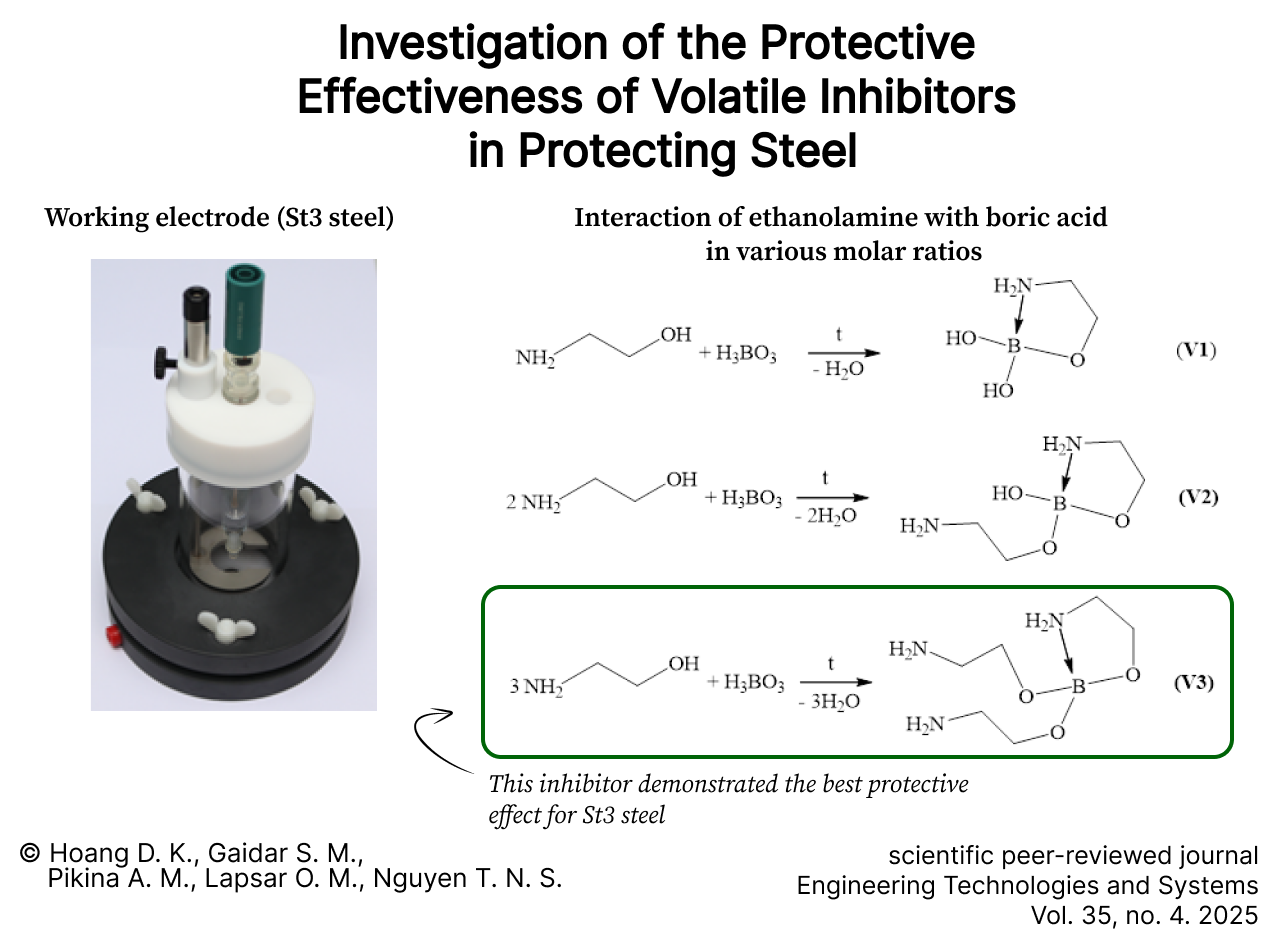
Investigation of the Protective Effectiveness of Nitrogen-Containing Organic Compounds in Protecting Ferrous and Non-Ferrous Metals
摘要
Introduction. A promising class of corrosion inhibitors is volatile or vapor-phase ones. They evaporate at ambient temperatures adsorbing on metal surfaces and providing reliable corrosion protection. Volatile corrosion inhibitors penetrate crevices and gaps inaccessible to contact inhibitors, inhibiting corrosion processes along layers of corrosion products. Their use is justified by sealing the protected space, preventing inhibitor evaporation. Currently, there are no low-volatile corrosion inhibitors resistant to temperatures above 80°C, so various packaging materials with low moisture and gas permeability are used. The use of such materials for preserving metal products has revealed several disadvantages: the hygroscopic nature of paper, the degradation of volatile corrosion inhibitors at polymer extrusion temperatures, and the high degree of manual labor required during preservation.
Aim of the Study. The study is aimed at developing an effective technology for protecting ferrous and non-ferrous metals using nitrogen-containing organic compounds – volatile corrosion inhibitors.
Materials and Methods. Based on the results of electrochemical and accelerated tests, the corrosion rate, protection level, and inhibition coefficient were calculated. St3 steel plates were selected as the samples on which the anticorrosive effect of volatile corrosion inhibitors was tested. Laboratory tests were conducted to determine the protective effectiveness of the resulting inhibitors. The reagents included ethnalolamine, boric acid,mono(aminoethyl)borate, di(aminoethyl)borate, and tri(aminoethyl)borate. The reagent ratio and reaction temperature were varied during the study.
Results. A series of volatile corrosion inhibitors were obtained in this study. It was determined that, in electrochemical testing in a 0.1 mol/l sodium chloride solution, the best results were obtained with a composition based on ethanolamine and boric acid in
a three-to-one ratio, namely, tri(aminoethyl)borate. The optimal inhibitor concentration on steel surfaces during accelerated testing in an environment with 100% relative humidity is 200 g/m³.
Discussion and Conclusion. The results obtained have potential for practical application in atmospheric corrosion protection of ferrous and non-ferrous metals. A promising area of application is the protection of steel equipment and electrical protection systems containing non-ferrous metals (copper, brass) using volatile inhibitors in agricultural production, mechanical engineering, and other fields.
 606-622


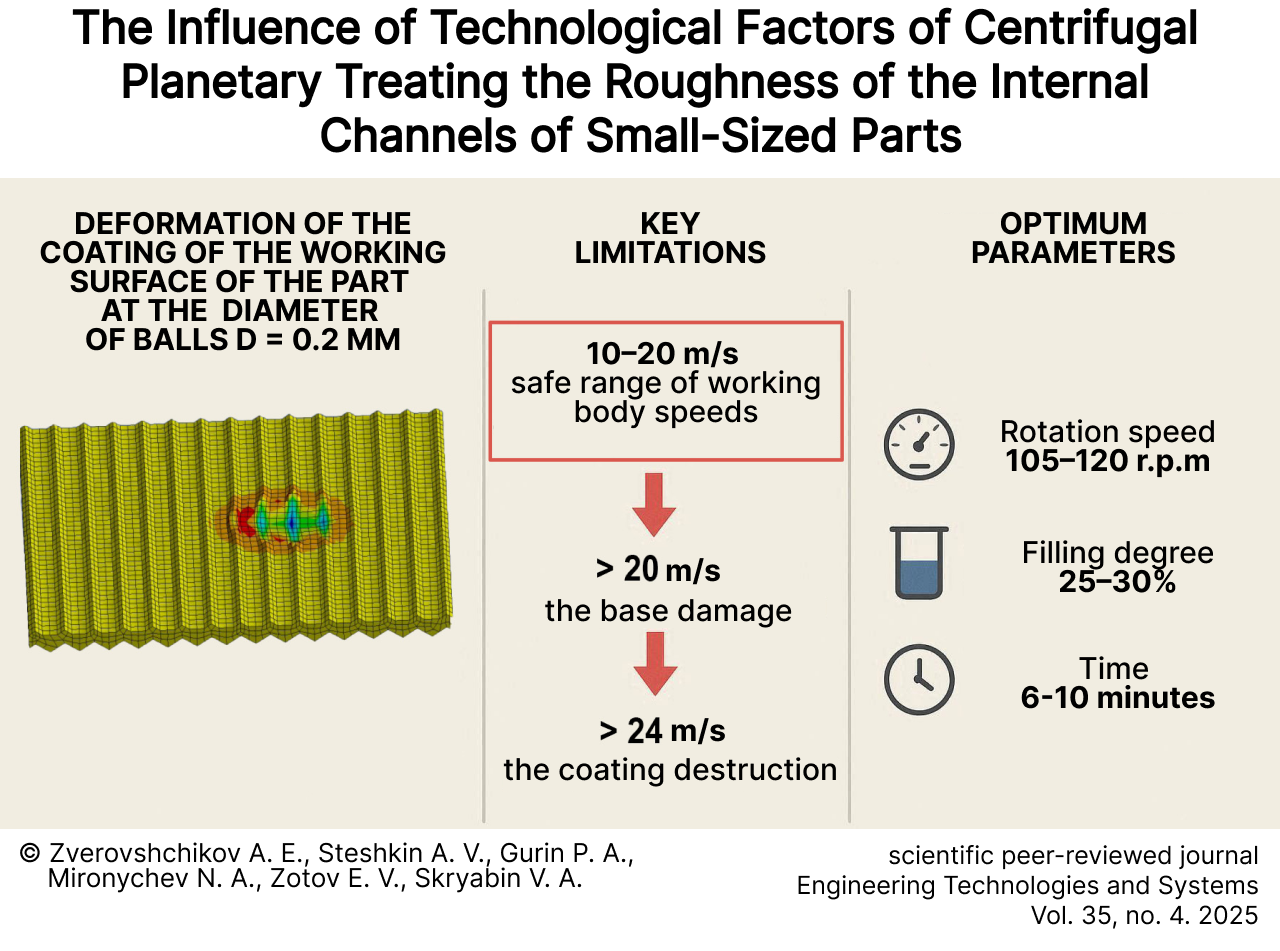
The Influence of Technological Factors of Centrifugal Planetary Treating the Roughness of the Internal Channels of Small-Sized Parts
摘要
Introduction. Treating small-sized parts having internal channels is a complex technological task that can be solved using dispersed grinding materials. The required surface quality of the internal channels can be achieved by using centrifugal planetary treatment technology with the correct choice of technological modes. It is necessary to develop a theoretical framework for this technology.
Aim of the Study. The study is aimed at substantiating theoretically the possibilities of
centrifugal planetary surface treatment of small-sized channels based on the determination of contact interaction parameters upon a sliding impact of the working material.
Materials and Methods. To determine the range of equipment technological characteristics, there was used the developed program “Channel”, the initial data for which were calculated using computer simulation of contact interaction in the software package ANSYS WORKBENCH. Experimental studies were carried out on the installation D7H.650.00.00. There were used the samples of small-sized brass parts DKRNT 30 ND L63 GOST 2060-2006 with silver electroplated coating. CHRONITAL – CAST Stainless Steel Shot by the firm Vulkan Inox Gmbh (Germany) was used as working material.
Results. The calculation results was analyzed in the program ANSYS that made it possible to determine the range of working material speed at which deformation of the part base was within the normal range. The calculated speed range was used as the initial data for calculating the technological factors of processing in the program “Channel” that provided the necessary data for the theoretical calculation of surface roughness. To determine the experimental roughness values, there were carried out the studies, which allowed us to found an empirical relationship. There has been shown the convergence between the results of theoretical and experimental studies.
Discussion and Conclusion. For the technological preparation of manufacturing, there
have been theoretically described and experimentally confirmed the relationships between the roughness parameters of the coated inner surface under treating and the technological modes of centrifugal planetary treatment. Based on the study results, there has been developed a method for treating internal channels of parts with complex profile surfaces. This method is aimed at increasing their manufacturing efficiency while ensuring the required surface quality. The proposed method is the basis for the technological preparation of manufacturing parts with internal surfaces having a silver electroplated coating. Further research in this area suggests expanding the range of coating materials, the hardness of which correlates differently with the hardness of the base material.
623-640
Technologies, Machinery and Equipment
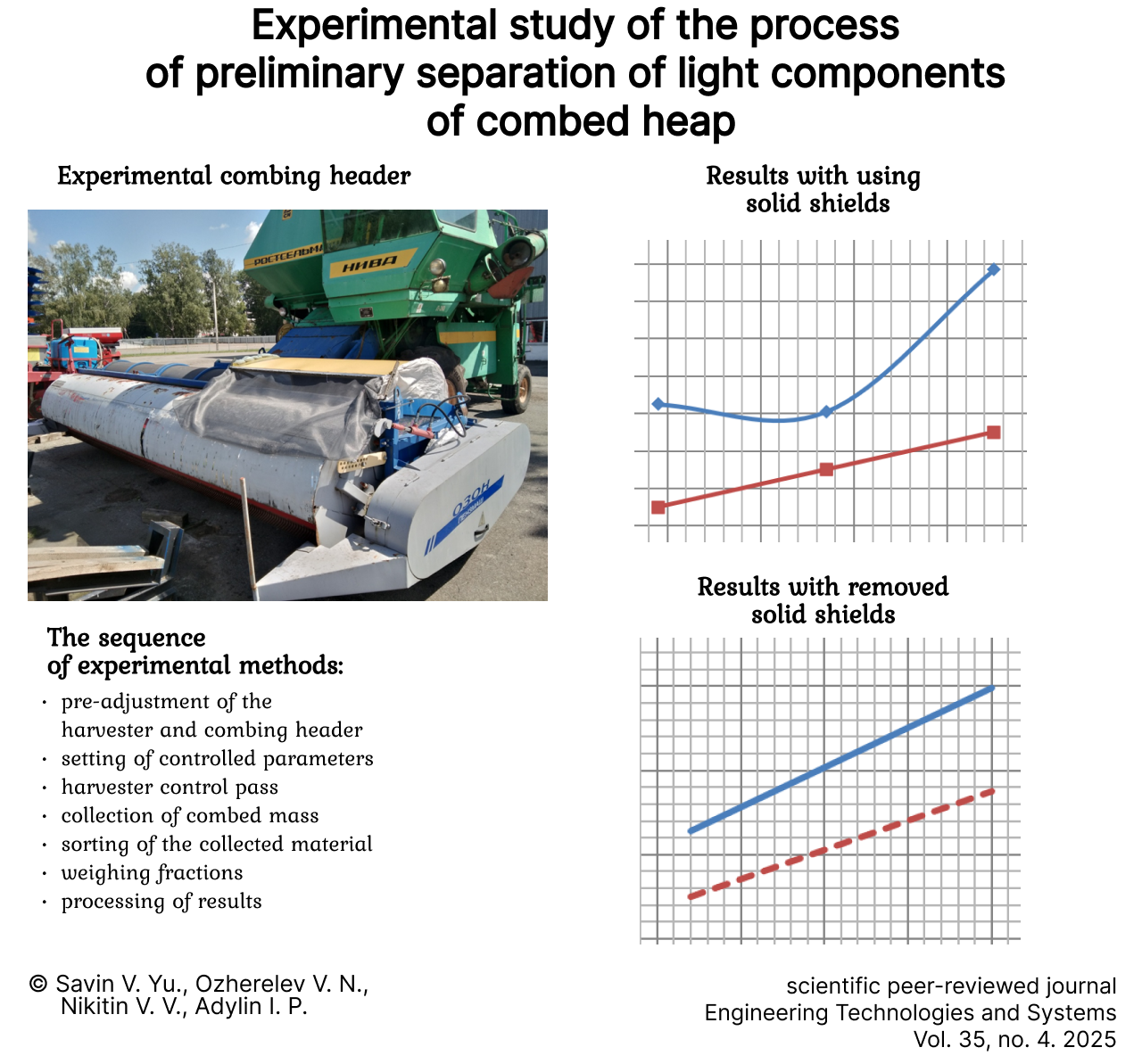
Experimental Study of the Process of Preliminary Separation of Light Impurities from Combed Heap
摘要
Introduction. There are specified and considered the trends determining the directions
for the development of grain harvesting equipment. One of the most important issues is increasing the productivity of a grain harvester while maintaining its acceptable metal
content and energy consumption. Traditional solutions have largely exhausted themselves, so a promising solution is the use of the technology for combing of standing plants.
Aim of the Study. The study is aimed at determining the proportion of light impurities
separated from the grain heap depending on the height of the combing header outlet.
Materials and Methods. There was used an experimental method to examine a combing
header with preliminary separation of light impurities. During the experiment, the height of the stripper header outlet was varied. The mass of the separated chaff and its composition were determined. When processing the experimental data, there were obtained relationships meeting the study objectives. The results are divided into two groups: the results with the use of solid shields installed on the combing header rear wall and those without solid shields, when the rear wall is a mesh surface.
Results. There has been developed a method for determining the proportion of separated light impurities. There have been found the dependences of the proportion of separated light impurities and the proportion of lost grain on the combing header outlet height. There has been identified an optimal range of the combing header outlet height if the solid shields removed from the combing header rear wall. If the range of combing header outlet height is from 124 to 130 mm, the proportion of separated light impurities reaches 13%, while grain losses remain relatively low.
Discussion and Conclusion. In the context of separating the heap light impurities, there has been obtained a significant result, which allows not only unloading significantly the grain harvester cleaning system and increasing its productivity, but also improving the efficiency of separating grain on the pre-drum separating device or directly on the grate bottom of the inclined chamber.
641-657
Assessment of the Possibility of Flattening Micronized Feed Grain
摘要
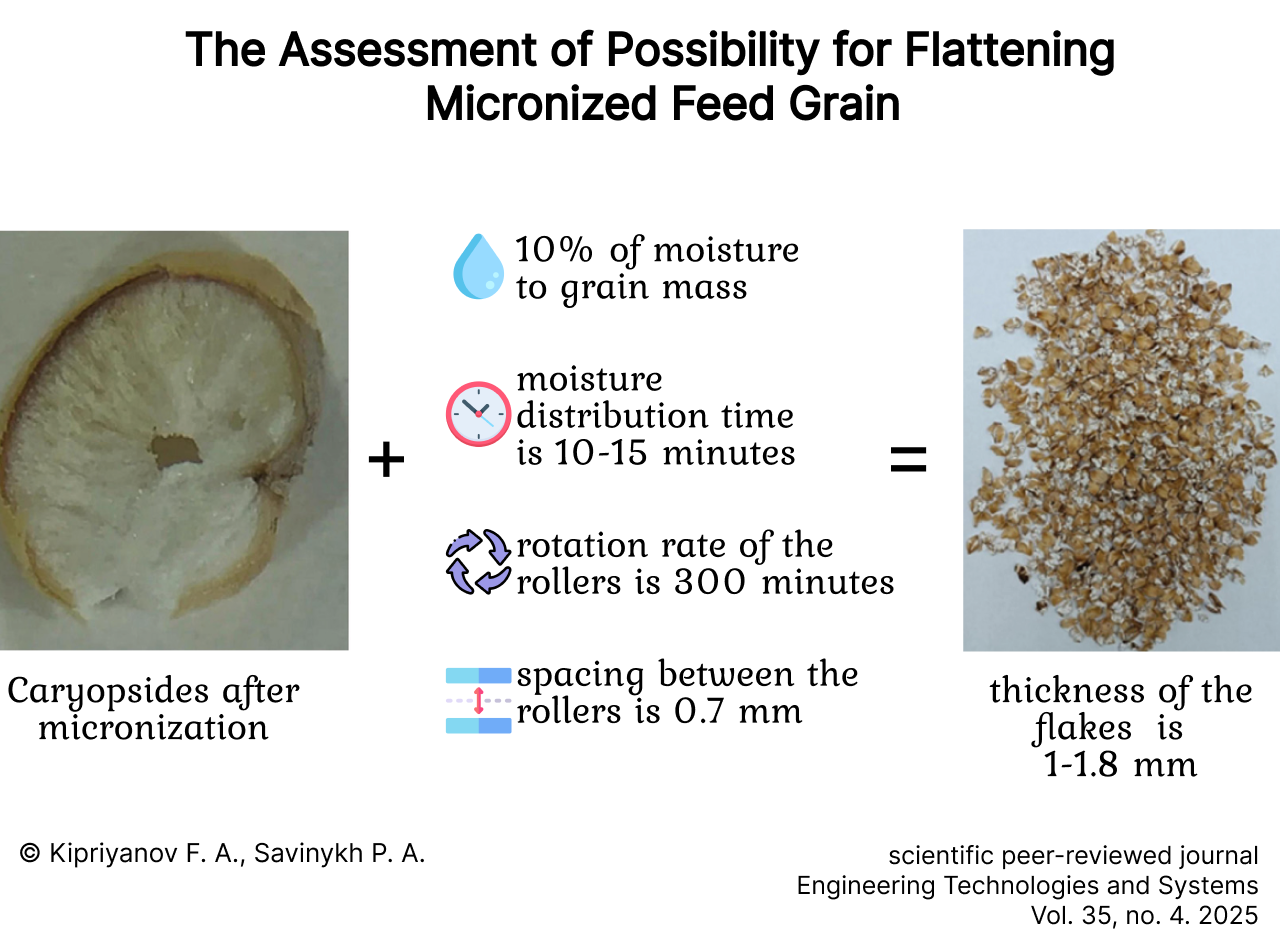
Introduction. The micronization of feed grain allows improving the digestibility of grain feed. However, flattening micronized grain to feed animals is difficult because of its increased fragility that results in grain overflattening during the flattening process.
This problem provides relevance of the study in the field of flattening micronized feed
grains used to feed animals.
Aim of the Study. The study is aimed at evaluating the applicability of flattening as a way to prepare micronized grain for feeding agricultural animals.
Materials and Methods. The object of the study was the barley and rye grains micronized with infrared radiation without pre-moistening. On the first stage of the study, the micronized grains were flattened without preliminary moisturizing, on the second stage the moistened micronized grains were flattened and then the prepared flaky fraction moisture was evaluated and the prepared flaky fraction was sifted to verify that it meets the zootechnical requirements.
Results. It has been found that the optimal flattening mode for preparing the flaky fraction is the one when the rotational rate of the rollers is 300 r/min and spacing between the rollers is 0.7 mm. The optimal moisture regime is adding up to 10% of moisture into micronized barley grains before flattening with the moisturing duration of 15 min. After flattening the amount of floury fraction was about 1.7% when the flaky part was 94% and the fraction passing through a 2.5 mm sieve was 3.95%, the thickness of flattened caryopsides was 1.67 mm. The flattening of micronized rye grains with the use of optimal regimes made it possible to prepare the flaky fraction in the amount of 89% with the flake thickness of 1.36 mm, passing through the sieve passage of 2.5 mm in the amount of 5.16% when the floury fraction was about 2%.
Discussion and Conclusion. Moisturing of micronized grains allows improving the plasticity of caryopsides and provides the receiving of the flaky fraction, the yield of which meets the zoo-veterinary requirements. The usage of smooth rollers for a grain flattener results in the decrease of the floury fraction amount and makes flattening one of the ways to prepare micronized feed grains for feeding of agricultural animals.
658-677
Estimating Chlorophyll Content by Optical Density of Plant Leaves Using Machine Learning
摘要
Introduction. Chlorophyll plays a crucial role in absorbing and transforming light energy into a chemical form that provides organic matter production in plants. Monitoring of chlorophyll content helps to assess plant-environment interactions and the degree of influence of stress factors that are essential for yield management. Traditional laboratory methods of analyzing are time-consuming, destroying samples and unsuitable for rapid field evaluations. A more reasonable solution is to use lowcost, portable devices.
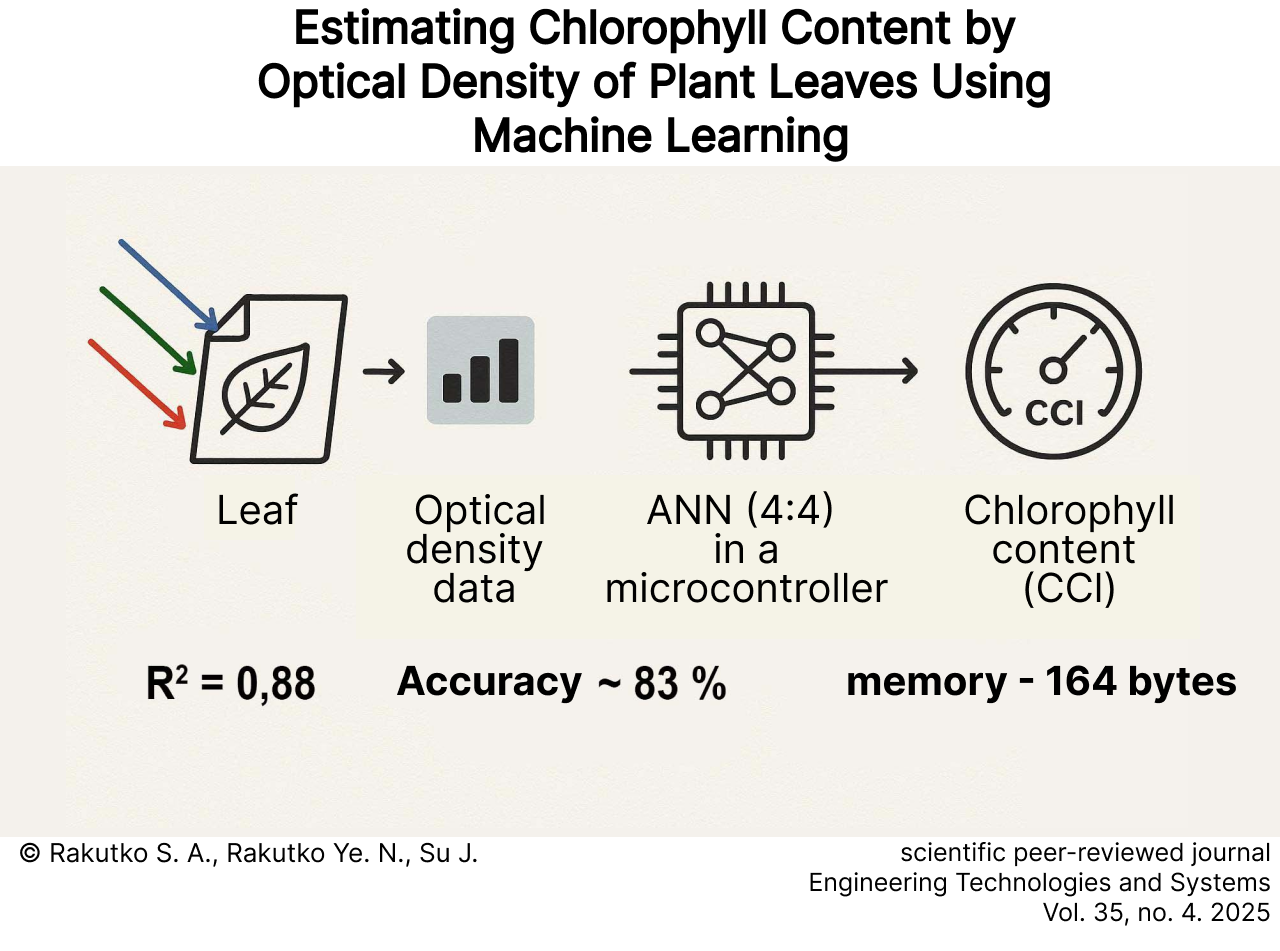
Aim of the Study. The study is aimed at developing and training an ANN architecture to predict the chlorophyll content in plant leaves based on their optical density within specific visible spectrum ranges.
Materials and Methods. The artificial neural network dataset was compiled from experi- mental measurements using the DP-1M densitometer and the CCM-200 chlorophyll meter. Data were collected from lettuce, pepper, tomato and zucchini leaves of different ages, which were grown in different light environments. The artificial neural network training was carried out in the Google Colab environment with subsequent adaptation of the model for using in a microcontroller device – a photocolorimeter for leaves.
Results. The dataset with 1,000 entries showed that the leaf optical density range is
from 0.57 to 2.54 relative units (red), from 0.9 to 1.66 relative units (green), and from 1.09 to 3.53 relative units (blue). According to these data, the chlorophyll content variations are from 3.1 to 156.5 relative units. In the study, there were compared six artificial neural network architectures that differed by hidden-layer neurons. The structure “32:32” had the highest accuracy (MAE = 6.64 rel. units, MAPE = 16.34%, R² = 0.8886). A simplified structure “4:4” was selected to simplify the model and improve the microcontroller efficiency. This structure maintained the performance (MAE = 6.83 rel. units, MAPE = 16.86%, R² = 0.8808) with much smaller amount of resources used – 41 weight parameters and 164 bytes of memory. A comparative evaluation with classical machine learning algorithms demonstrated the superiority of the developed model across all metrics.
Discussion and Conclusion. The trained artificial neural network was implemented on a microcontroller-based photocolorimeter for leaves that enabled the non-destroying optical density measurements. The developed model allows implementing non-destroying and operational monitoring of the condition of plants, which is especially important in precision farming systems. This approach has significant potential for ecological monitoring and precision agriculture. The study results demonstrate the viability of machine learning for improving plant status assessment and developing digital agrotechnology solutions.
678-699
Computer Simulation of Automatic Control of an Agricultural Small Unmanned Aerial Vehicle with Variable Mass
摘要
Introduction. Small unmanned aerial vehicles are effectively used in agriculture for field cultivation. Because of the long flight range, manual control from the ground of the elevator and engine thrust does not allow maintaining the required speed and altitude over the field with the necessary precision to ensure the field uniform processing. The aircraft mass changing in flight and the changing field relief have not yet been taken into account sufficiently in studies on the stabilization of flight altitude and stability. Thus, the study of the automatic control mode of the elevator and engine thrust, ensuring the stabilization of flight altitude under conditions of decreasing aircraft mass and changing field relief, can be considered a relevant and insufficiently studied problem.
Aim of the Study. The study is aimed at evaluating the impact of mass changes of a small unmanned aerial vehicle on the flight altitude and of the center-of- mass speed of
the vehicle during their stabilization in the automatic elevator and engine thrust control mode.
Materials and Methods. The object of the study is a small unmanned aerial vehicle. There were used the methods of differential equations, theoretical mechanics, automatic control, programming in the Lazarus development environment, and numerical methods were used for computer modeling of automatic control of the elevator andengine thrust of an aircraft to stabilize flight altitude. Along with the methods mentioned in the article, there were used visual simulation methods implemented in the Scilab XCOS environment. These methods made it possible to assess the adequacy of the computer model.
Results. There have been developed two computer models for automated control of a unmanned aerial vehicles flight at a given altitude and speed. Software control of the elevator and engine thrust, determined based on the solution of differential equations of longitudinal flight of a small unmanned aerial vehicle at a given trajectory angle and a given speed, made it possible to stabilize the altitude and speed. Trajectory management of the elevator and engine thrust based on the readings from altitude, pitch angle, angular velocity and speed sensors made it possible to “track” a given field relief and stabilize the altitude and flight speed with sufficient accuracy. It has been found that in flight sections with a decrease in flight mass, the altitude, flight speed and trajectory angle are stabilized, and the pitch angle decreases along with the mass, and at a high specified flight speed over a field with a negative angle of inclination (on descents) the pitch angle becomes negative (uncomfortable) and loss of control is possible.
Discussion and Conclusion. Reducing the flight mass of an unmanned aerial vehicle must be taken into account when using these devices in agriculture for pest control and other work related to the processing of agricultural crops. The conducted study of software and trajectory control for stabilizing flight altitude made it possible to determine the relationship between the change in mass and such controlled parameters as the pitch angle and speed of the mass center of the aircraft. Software control ensures stabilization of flight altitude under any field profile, but its accuracy is caused by the accuracy of the mathematical model and, without taking into account actual flight data, does not allow one to assess the true accuracy of calculations of the current flight altitude and speed of the aircraft. Trajectory control with a proportional-integral controller allows for feedback coupling to be taken into account. The calculations have shown that such control of a flight over a field with a downward slope can lead to a loss of stability and a fall of the aircraft. A field with variable relief has areas where the level decreases and which are the source of uncomfortable flight and loss are of flight stability.
700-722
Assessment of Environmental Sustainability and Stability of Crop Production Technological Processes
摘要
Introduction. The increased anthropogenic impact of technological tools leads to a violation of the environmental sustainability and stability of crop production technological processes that has a negative effect on the existing agrarian landscape. Because of a significant number of single environmental indicators, the assessment of the environmental sustainability of technological processes is usually carried out without ranking their significance and without taking into account individual natural and climatic characteristics that significantly affect the agricultural production system. At the same time, there has not been developed a necessary approach for assessing the environmental sustainability with a high measure of reliability.
Aim of the Study. The study is aimed at justifying the criteria and proposing an assessment of the degree environmental sustainability and stability of technological processes in crop production.
Materials and Methods. The study was based on the use of analytical methods and the synthesis of scientific results obtained by various authors. There was employed statistic modeling of processes that made it possible to identify the patterns of these processes, determine and reasonably choose significant factors influencing the environmental sustainability and stability of the processes.
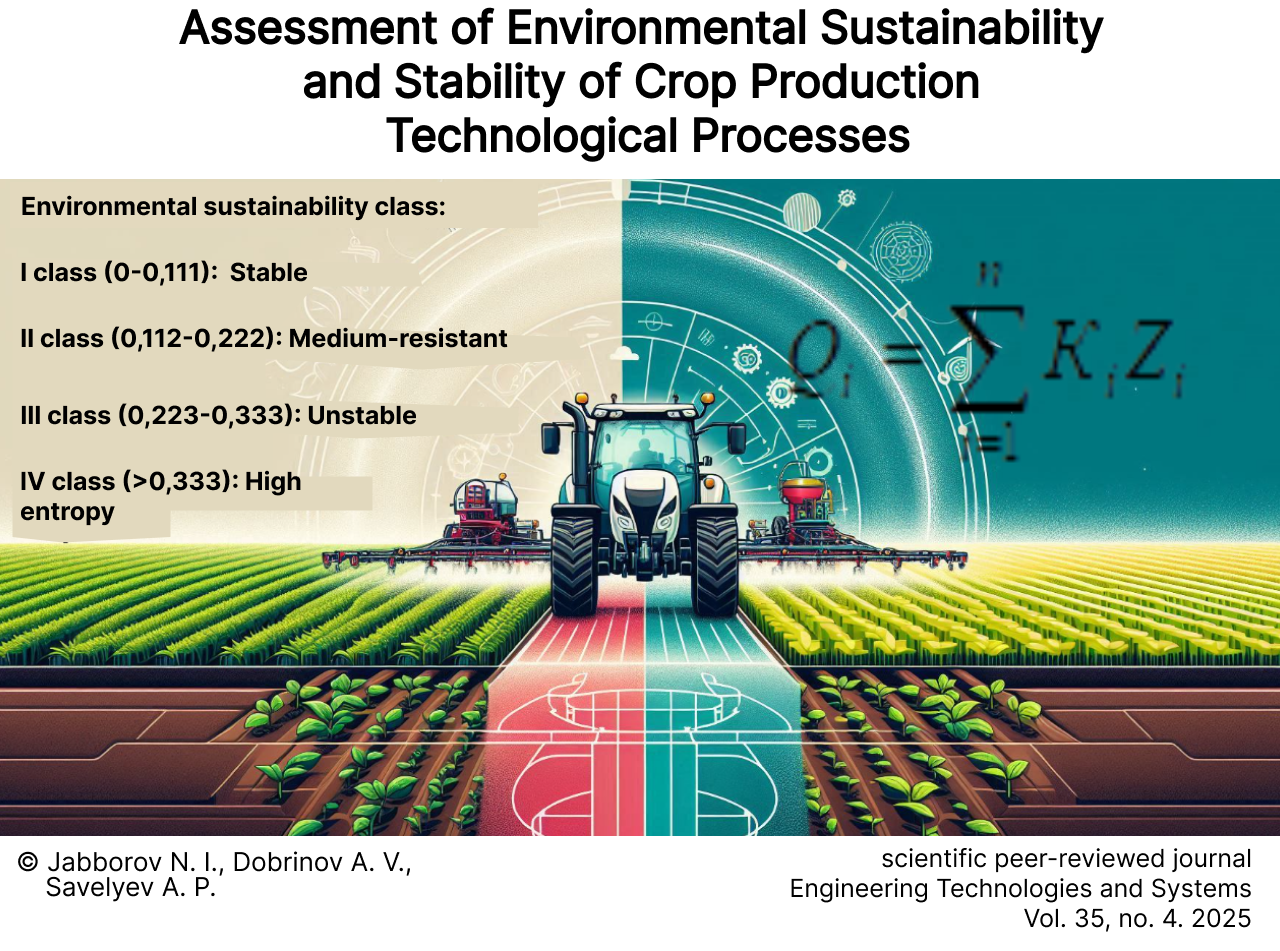
Results. There have been developed partial and integral criteria for assessing environmental sustainability and stability of crop production technological processes. There are given the examples of criteria calculation and the assessment of environmental sustainability and stability of the technological processes of transportation and application of liquid organic fertilizers to the soil. There has been substantiated the scale of assessment of technological processes based on the values of the integral evaluation criterion. According to the environmental sustainability degree, the authors propose to divide technological processes into stable, medium-stable, unstable and with high entropy.
Discussion and Conclusion. The authors proposed criteria for assessing environmental
sustainability and stability in crop production technological processes, which can be used for developing mobile apps, platforms, and logistics solutions to improve industry efficiency, labor productivity, product quality, etc.
723-749
Breaking Sunflower Stubble by Needle Disk Blades of an Innovative Turbodisc Cultivator
摘要
Introduction. Vertical tillage is a new resource-saving technology that allows increasing
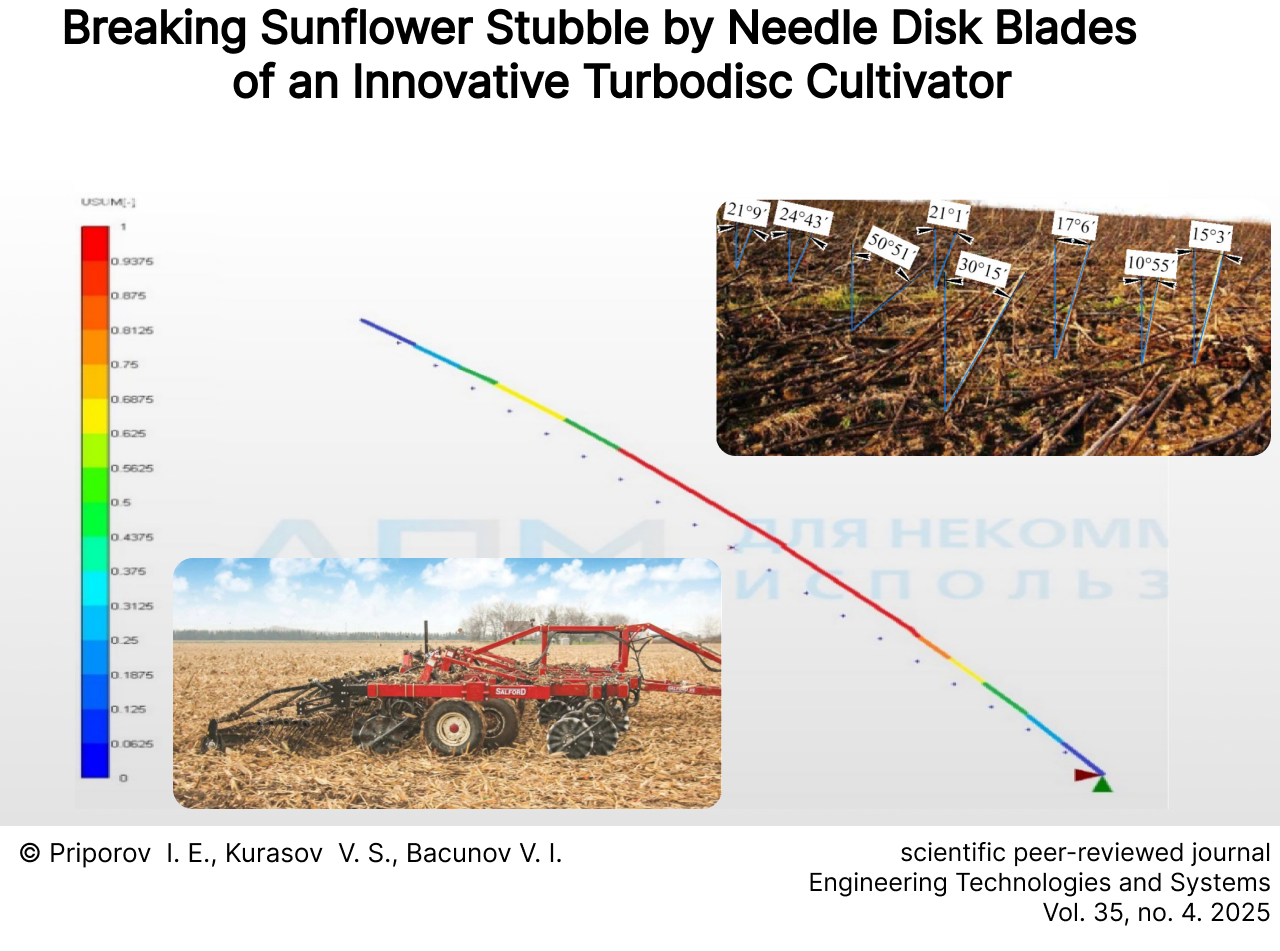
crop yields to 8.5 c/ha and improves soil structure with increased seeding depth for better root system development. For vertical tillage, there are used soil tillers such as turbodisc cultivators. The growing demand on environmental safety of technical means effect on the soil lead to the search for original solutions to reduce energy consumption and preserve soil fertility. Large volumes of crop residues in the fields are difficult to crush that leads to clogging the working bodies of machines (huskers, cultivators, plows, disc harrows) with crop residues and negatively affects the quality of crop residues crushing.
Aim of the Study. The study is aimed at determining the placement height of the working bodies for breaking sunflower stubble to increase the efficiency of its embedding in the soil.
Materials and Methods. А turbodisc cultivator design has been developed. The cultivator and the technological process of its operation have been examined. Theoretical mechanics was used to determine the degree of breaking plant residues by the working organs of the developed turbodisc cultivator. There was examined sunflower stubble in the form of an elastic vertical rod fixed from below. The force of impact on stubble was calculated. There were determined shear modulus and the impact force arm on the stubble.
Results. There has been found obtained the expression for breaking sunflower stubble
during vertical tillage with a developed turbodisc cultivator. There has been proposed a method for embedding stubble of tall-stemmed plants in the soil.
Discussion and Conclusion. To increase the efficiency of embedding stubble of tall crops in the soil, it is necessary to use optimal placement height of the working organs, taking into account the initial breaking degree.
750-769
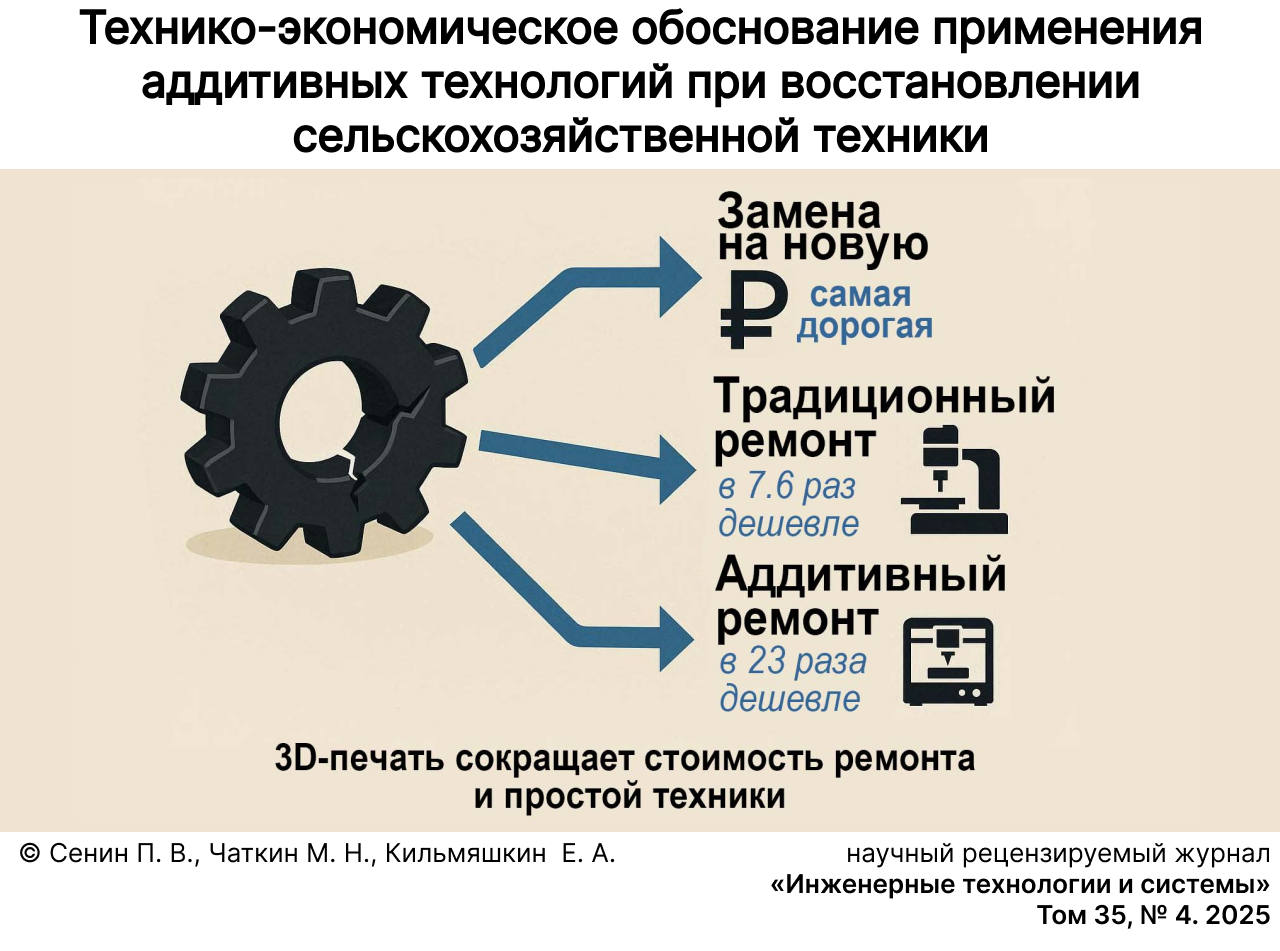
Feasibility Study of Additive Technologies Application in Restoring Agricultural Machinery
摘要
Introduction. The complex design of modern agricultural machinery consists of numerous units having a large number of metal and polymer parts. Failure of these parts often leads to inoperability of the units and, as a rule, machine downtime. Existing technologies for repairing failed parts are based on the use of metal parts, while polymer structural parts cannot be restored and must be replaced. This problem can be solved through piece production of parts on-site using additive technologies.
Aim of the Study. The study is aimed at evaluating the efficiency of additive manufacturing in repairing agricultural machinery in the agro-industrial complex to reduce the time and cost of services.
Materials and Methods. The study was carried out on the basis of the Design and Rapid Prototyping laboratory of the Institute of Mechanics and Power Energy of the National Research Mordovia State University. The electric linear concave drive of the John Deer combine harvester was repaired using 3D-printing. According to the proposed methodology, there has been analyzed the economic efficiency of using additive technologies to produce failed parts during the repair of machinery.
Results. Based on the work carried out, the cost efficiency of restoring polymer elements was assessed. The cost of repairing a linear drive is lower than the cost of a new one. The traditional manufacturing technology used for repairing the drive is 7.6 times cheaper than buying the new part, and the additive technology is 23 times cheaper.
Discussion and Conclusion. A comparative assessment of the economic feasibility of repairing with the use of traditional and additive technologies has shown that the price of manufacturing a part on a 3D-printer is three times cheaper than when milling. Machining is more expensive because it requires additional equipment of a certain range. The use of additive technologies for manufacturing significantly reduces the repair cost and losses from equipment downtime. The study has shown that modern additive technologies have significant potential and can be widely used for repairing agricultural machinery.
770-785
Instruments and Methods of Experimental Physics
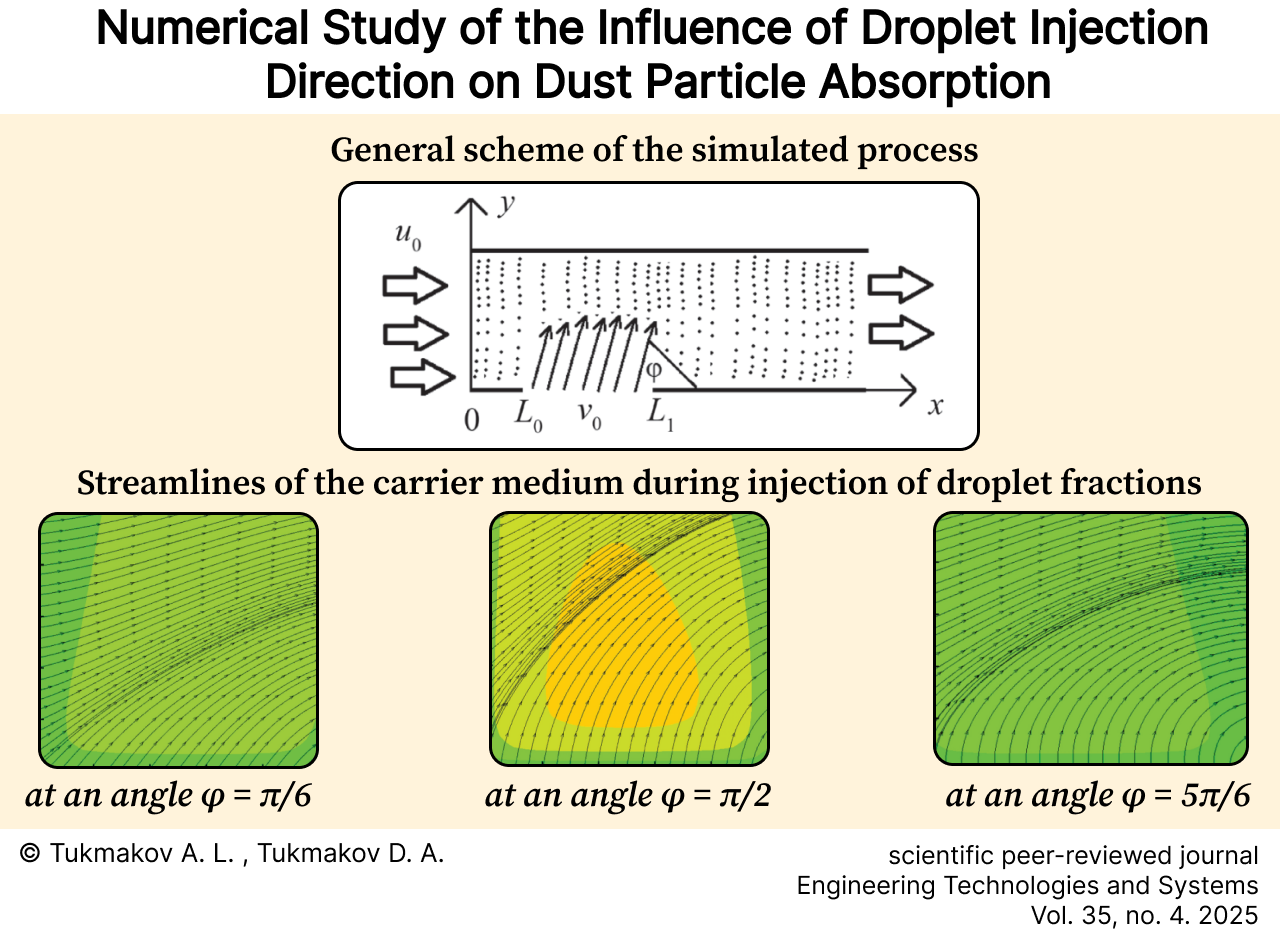
Numerical Study of the Influence of Droplet Injection Direction on Dust Particle Absorption
摘要
Introduction. One of the most effective technologies for removing dispersed impurities from gas is liquid purification, because inertial separators cannot capture fine particles. The challenge arises of increasing the efficiency of gas-dispersed media purification using this method. One way to solve this challenge is determining the injection angle of the droplet fractions at which the coagulation process will be most effective.
Aim of the Study. The aim of the academic work was to study the effect of the injection direction of the droplet fraction jet on the intensity of the absorption of solid particles by liquid droplets.
Materials and Methods. To describe the flow of a multiphase medium, there was used a continual approach for modeling the dynamics of inhomogeneous media, which involves solving a complete hydrodynamic system of motion equations for each mixture components. The dispersed phase was modeled as a multifractional polydisperse one; the dispersed phase fractions may differ in both the material density and the size of dispersed particles. There were taken into account interphase heat exchange and momentum exchange including the aerodynamic drag force, the dynamic Archimedes force, and the added mass force. The dynamics of the carrier medium was described by the Navier–Stokes system of equations for a viscous, compressible heat-conducting gas. The mathematical model also took into account the collisional coagulation of particles of different fractions. The system of the mathematical model equations was supplemented with boundary conditions. An explicit finite-difference method was used to integrate the equations of the mathematical model. A nonlinear correction scheme was used to overcome numerical oscillations.
Results. There was simulated the injection of droplet fractions into a dust-laden flow at various angles to the channel wall. It has been found that the most intense decrease in the average density of the dust fraction is observed for an angle of φ = π/2. For gas-droplet flow injection angles of φ and π–φ, the distributions of the volumetric contents of the dust fraction are similar. The calculations have shown that for a wide range of droplet fraction sizes the highest velocity slip is observed for droplet injection perpendicular to the direction of dust-laden flow.
Discussion and Conclusion. The identified patterns allow us to determine the injection direction of droplet fractions that maximizes the absorption of solid particles. The results can be used to optimize liquid purification technologies for gas-dispersed media. In the future, these results can be used to improve the efficiency of gas-liquid filters.
786-807
Electrical Technologies and Equipment
Specific Indicators of the Consequences of Outages in 110 kV Electrical Networks
摘要
Introduction. Comparing the effects of outages in electrical networks of different voltage classes is important for developing strategies for their design and construction. The main scientific problem when choosing such strategies arises from the contradiction between the need to increase the reliability of equipment and structures of electrical networks of all voltage classes and to minimize capital investments and operating costs. A comparison based on specific indicators is more visual and makes it possible to scale the results obtained. Thus, it is an urgent task to assess the specific indicators of the consequences of outages in 110 kV electrical networks for their subsequent comparison with similar indicators for networks of other voltage classes.
Aim of the Study. The study is aimed at conducting a comparative analysis of specific reliability indexes characterizing the consequences of outages in 110 kV and 0.4 kV electrical networks.
Materials and Methods. There were analyzed the statistical data of emergency and planned outages in 110 kV electrical networks in the Oryol region for the period from 2018 to 2023. The initial data were taken from the outage log books for the branch of PJSC Rosseti Centre – Oryolenergo. The total length of the electrical networks considered was more than 1.7 thousand kilometers. Specific reliability indexes characterizing the consequences of outages in 110 kV electrical networks were determined and compared with similar indexes for 0.4 kV electrical networks.
Results. The study revealed that the consequences of emergency outages in the 110 kV electrical networks in terms of specific disconnected electrical power indicator per one outage in 110 kV electrical networks are on average about 50 times greater than the consequences of outages in the 0.4 kV electrical networks and taking into account all causes of outages – 17.5 times. The average specific time of emergency interruptions per one outage in 0.4 kV electrical networks is more than 5 times greater than in 110 kV electrical networks. Specific undersupply of electrical power per one consumer in 0.4 kV electrical networks is greater than in 110 kV electrical networks by more than 2,160 times taking into account all causes of disconnections while specific electrical power undersupply peroutage disconnection in 0.4 kV electrical networks is 18 times greater. The average total undersupply of electrical power for all reasons in 0.4 kV electrical networks is more than 7,500 times greater than the same indicator for 110 kV electrical networks.
Discussion and Conclusion. The total annual consequences of accidents in 0.4 kV electrical networks are greater than the consequences of accidents in 110 kV electrical networks. It is necessary to revise the design standards for 0.4 kV electrical networks increasing the requirements for the reliability of their design and creating opportunities for configuration management, primarily for the purpose of automatic standby electrical power supply to consumers. This will significantly reduce damage to both rural consumers and power grid operators.
808-824