






 Отправить статью по E-mail
 Армения и Турция: в поисках компромисса в условиях геополитической напряженности
- Авторы: Павлов А.Г.1, Маргарян Д.Л.1
-
Учреждения:
- ФГАОУ ВО «Национальный исследовательский Нижегородский государственный университет им. Н.И. Лобачевского»
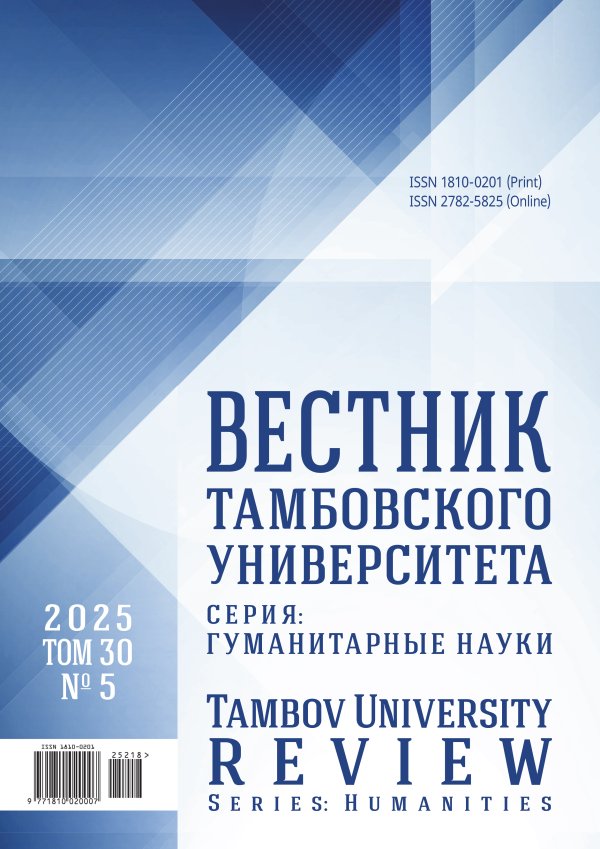
- Выпуск: Том 30, № 5 (2025)
- Страницы: 1250-1264
- Раздел: ИСТОРИЯ ЗАРУБЕЖНЫХ СТРАН
- URL: https://journals.rcsi.science/1810-0201/article/view/358597
- DOI: https://doi.org/10.20310/1810-0201-2025-30-5-1250-1264
- ID: 358597
Цитировать
Полный текст

Аннотация
Актуальность. Проведено комплексное исследование проблем взаимоотношений между Республикой Армения и Турецкой Республикой в период с 1991 по 2025 г. Проанализированы исторические предпосылки, внешнеполитические стратегии и ключевые события, формирующие динамику армяно-турецких отношений. Уделено особое внимание роли признания геноцида армян и конфликту в Нагорном Карабахе как центральным факторам, препятствующим нормализации двусторонних связей. Работа выявляет противоречивость внешнеполитических подходов Армении и Турции, обусловленную исторической памятью, национальными интересами и региональными амбициями. Рассматривается влияние внешних игроков, таких как Россия, США и ЕС, на процесс урегулирования конфликта.
Материалы и методы. На основе системного и междисциплинарного подхода предложена модель перспектив нормализации, включающая признание исторической правды и стратегические компромиссы.
Результаты исследования. Показано, что в армяно-турецких отношениях исторические противоречия, связанные с геноцидом армян и его отрицанием Турцией, остаются главным барьером для нормализации, в то время как политика Эрдогана, ориентированная на агрессивную поддержку Азербайджана и расширение влияния в регионе, привела к потере Арменией контроля над Нагорным Карабахом. Разнятся также подходы Армении, которая, разочарованная ограниченной помощью Запада, усиливает сотрудничество с Россией при сохранении связей с ЕС и НАТО, и оценки внешних акторов – от ослабления позиций Москвы до балансирующих усилий США, ЕС и Ирана. Перспективы мирного договора сулят экономические выгоды, но сопряжены с рисками для суверенитета Армении, включая территориальные уступки и отсутствие гарантий по пленным, что отражает дисбаланс сил и сложности урегулирования конфликта.
Выводы. Армяно-турецкие отношения отражают слом прежней системы в Южном Кавказе, где Турция и Азербайджан доминируют, укрепляя позиции через военную поддержку и проекты вроде «Среднего коридора», в то время как Россия теряет влияние. Подход Турции более агрессивный и системный, чем балансирующий курс Армении, сталкивающейся с внутренними конфликтами и осторожностью США/ЕС из-за НАТО. Прогнозы указывают на нормализацию с рисками уступок, включая «Зангезурский коридор», без гарантий. Для
стабильности Армении нужны реформы, укрепление связей с Россией и международные гарантии от США, ЕС и Москвы.
Об авторах
А. Г. Павлов
ФГАОУ ВО «Национальный исследовательский Нижегородский государственный университет им. Н.И. Лобачевского»
Email: larkenstonel@gmail.com
ORCID iD: 0009-0005-9069-496X
научный сотрудник кафедры новой и новейшей истории
Россия, 603022, Российская Федерация, г. Нижний Новгород, пр-кт Гагарина, 23Д. Л. Маргарян
ФГАОУ ВО «Национальный исследовательский Нижегородский государственный университет им. Н.И. Лобачевского»
Автор, ответственный за переписку.
Email: dartvader2595@mail.ru
ORCID iD: 0009-0003-6453-8627
научный сотрудник кафедры мировой дипломатии и международного права
Россия, 603022, Российская Федерация, г. Нижний Новгород, пр-кт Гагарина, 23Список литературы
- 1. Айвазян А.С. Особенности внешней политики современной Армении // Научно-аналитический вест-ник Института Европы РАН. 2020. № 2 (14). С. 98-103. https://doi.org/10.15211/vestnikieran2202098103, https://elibrary.ru/nxqxon
- 2. Корнилов А.А. Стратегии национальной безопасности Республики Армения 2007 и 2020 гг.: Сравни-тельный анализ основных положений // Регионы мира: проблемы истории, культуры и политики: сб. науч. ст. Вып. 5. Нижний Новгород, 2021. С. 139-144. https://elibrary.ru/btxxea
- 3. Ditrych O. After Nagorno-Karabach: A case for the EU’s strategic engagement in the new South Caucasus // JSTOR Security Studies. 2023. Nov. 1. P. 1-4.
- 4. Власова К.В., Тимченко В.А. Эскалация Нагорно-Карабахского конфликта в 2020 г.: позиция Турции // Общество. Наука. Инновации (НПК-2021): сб. ст. 21 Всерос. науч.-практ. конф.: в 2 т. Киров, 2021. Т. 1. С. 831-838. https://elibrary.ru/paqqvu
- 5. Притчин С.А. Вторая Карабахская война и ситуация на Южном Кавказе // Россия и новые государства Евразии. 2021. № 3 (52). С. 153-164. https://doi.org/10.20542/2073-4786-2021-3-153-164, https://elibrary.ru/hvintp
- 6. Хачатрян Д.Г. Нагорно-Карабахский конфликт сквозь призму отношений Армении и Турции // Постсоветские исследования. 2018. Т. 1. № 2. С. 223-233. https://elibrary.ru/xrpprb
- 7. Agamaliev S.M., Gur’yanova E.N. Turkey’s geopolitical ambitions. The victories of Turkey in the interna-tional conflicts of the 21st century // History. Culture. Language: Collection of Articles Based on the Stu-dent Scientific Seminars. Moscow, 2021. P. 16-26. https://elibrary.ru/gqunak
- 8. Дудайти А.К. Проблемы безопасности на Южном Кавказе в контексте регионального взаимодейст-вия России, Ирана и Турции в постсоветский период // Постсоветские исследования. 2022. Т. 5. № 8. С. 771-779. https://elibrary.ru/jflmse
- 9. Маркаров А.А. Концептуальные подходы и особенности внешнеполитического процесса: основные направления и задачи внешней политики Армении // Постсоветский материк. 2017. № 4 (16). С. 40-57. https://elibrary.ru/xwfahj
- 10. Графов Д.Б. Стратегия балансирования во внешней политике Турции // Вестник МГИМО-Университета. Т. 15. № 3. С. 115-142. https://doi.org/10.24833/2071-8160-2022-3-84-115-142, https://elibrary.ru/kbnuoa
- 11. Давыдов Ю.П. Понятие «жесткой» и «мягкой» силы в теории международных отношений // Между-народные процессы. 2004. Т. 2. № 1 (4). С. 69-80. https://elibrary.ru/oiqcat
- 12. Бочарников И.В. Многовекторность внешней политики Армении: традиции и новая политическая реальность после Второй Карабахской войны // Дипломатическая служба. 2021. № 3. С. 242-256. https://doi.org/10.33920/vne-01-2103-03, https://elibrary.ru/wdhfwo
- 13. Tadevosyan M. Toward Functional Coexistence in Armenia-Turkey Relations. A Critical Analysis of the Normalization Process // Functional Coexistence in Socio-Political Conflict. London, 2025. P. 131-150. https://doi.org/10.4324/9781032702605-11
Дополнительные файлы

